
Updated On:
How to choose the best creative automation platform for your team
How to choose the best creative automation platform for your team
Written By

" height="20px" id="fXPtLeYUp" width="20px"/></svg>)
Co-founder and CEO
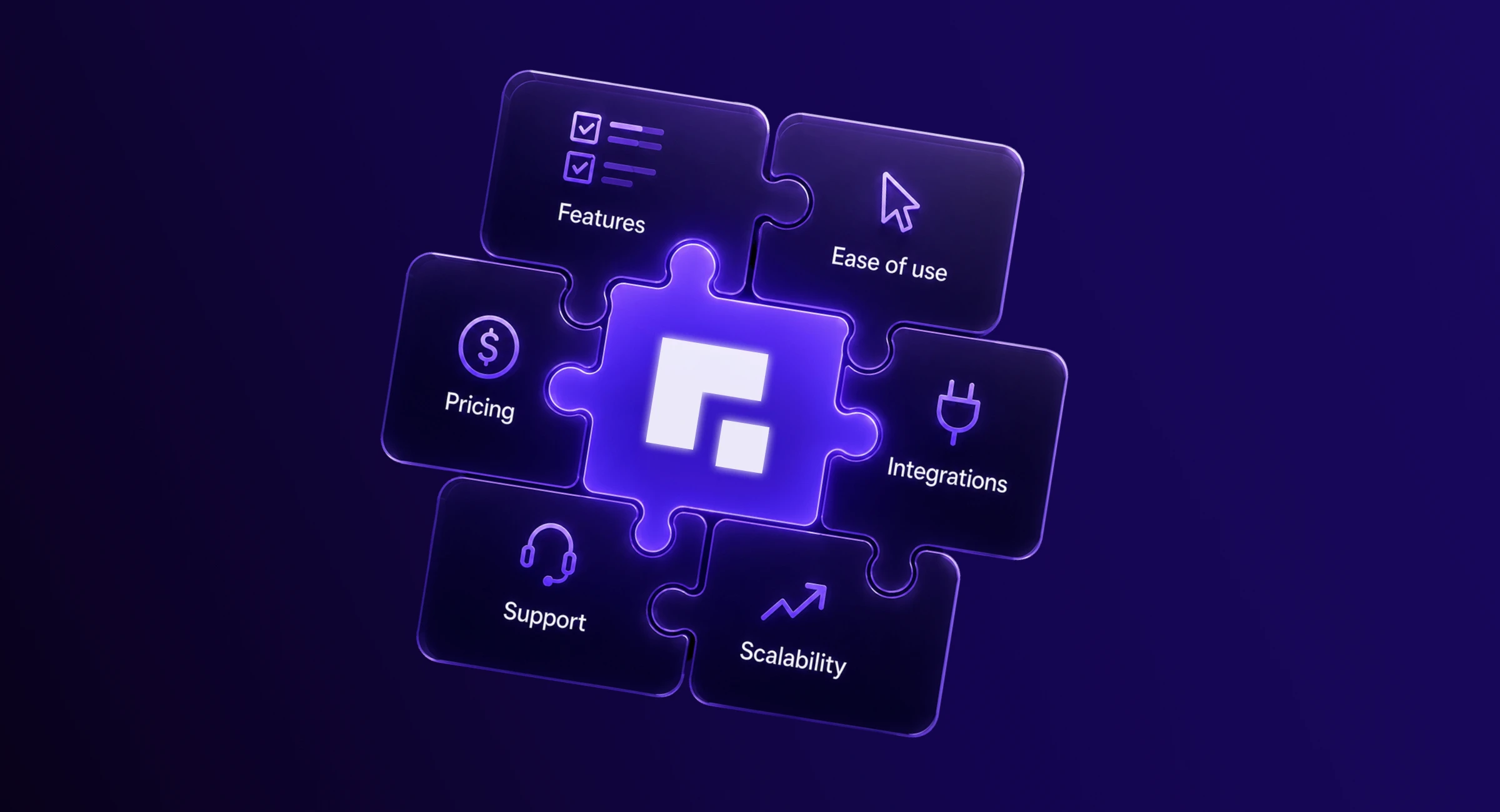
Most teams pick a creative automation platform by comparing feature lists. That’s a reasonable place to start, but it skips the decision that matters most: do you need a tool your team operates, a service that delivers finished assets, or something in between? That choice shapes everything else in the evaluation.
Meanwhile, the creative itself keeps getting more important. Nearly two-thirds of brand marketers increased their focus on creative quality in the past year, yet fewer than half have any way to measure whether it’s working. The gap between “we need better creative” and “we can actually produce it at scale” is where most teams are stuck.
This guide is built from what we’ve seen work and fail across hundreds of creative production setups at consumer retail brands. It’s written for the person who manages creative production or media spend, has a CFO asking why the team isn’t just using Canva, and needs to make a decision they can defend with numbers.
Key takeaways
01
The most important decision isn't which platform. It's whether you need a tool, a service, or a hybrid model.
02
Evaluate on outcomes (cost per asset, turnaround time, approval rate), not feature checklists.
03
A pilot with your real briefs is the single most useful step in any evaluation.
04
Creative automation is moving from production to intelligence. The platforms worth considering can tell you what to create, not just make it faster.
What is a creative automation platform?
A creative automation platform is software that reduces or eliminates the manual, repetitive work in producing marketing assets. The category includes a wide range of creative automation tools, from template-based resizing software to full-service AI production systems.
At a basic level, this means taking a master design and automatically generating variations across sizes, formats, channels, languages, or audience segments. The category has evolved significantly over the years. Today’s platforms cover one or more of these capabilities.
Template-based resizing and versioning - a master design is adapted to dozens of output sizes and copy variants automatically
AI-powered production - assets are generated from briefs using a combination of generative AI, design rules, and human review
Creative intelligence - performance data, competitive benchmarks, and platform guidelines feed back into the production process to inform what to create next
The right platform depends on where your biggest bottleneck sits. Is it volume (“we cannot produce enough”)? Quality (“our assets are inconsistent or off-brand”)? Speed (“it takes us too long”)? Cost (“we spend too much”)? Or intelligence (“we do not know what to create”)? The answer should drive your evaluation.
Why creative automation is non-negotiable now
Four forces have converged to make this an urgent decision.
Creative demand has exploded - Over the past five years, more than 10 new ad platforms, 30 new creative formats, and 100 retail media networks have been added. A brand with even 10 SKUs needs 5-10 product listing images per retailer, A+ page content for Amazon, sponsored display and video for multiple retailers, social creative for Meta and TikTok, seasonal refreshes across all of the above, and localised versions for international markets. The total volume of assets a mid-size retail brand needs today makes manual creative production at scale impossible. No manual workflow can serve such a need.
Media is automated but creative is not - Programmatic and paid media buying has been automated for years. Yet approximately 60% of campaign performance is driven by the creative itself, and making those creatives is still largely manual. The bottleneck has shifted from media buying to creative production. Teams with fast, high-quality creative output consistently outperform those without.
Agencies are not keeping up - Traditional creative agencies charge $100 or more per hour, take 2-4 weeks per project, and add upcharges for anything that falls out of scope. At the volume brands now require, this model is economically unsustainable. Stale content leads to declining click-through rates. Rejected assets delay campaign launches. Inconsistent brand presence erodes consumer trust.
Standalone generative AI is not the answer - There are more than 100 generative AI models available today. But it takes 10-30 prompts to get one acceptable asset from a generic model. Generic AI does not know your brand guidelines, your retailer spec requirements, or your compliance rules. It hallucinates. It requires extensive human editing. The productivity gain from raw generative AI is real but it is nowhere near what teams need.
Most teams pick a creative automation platform by comparing feature lists. That’s a reasonable place to start, but it skips the decision that matters most: do you need a tool your team operates, a service that delivers finished assets, or something in between? That choice shapes everything else in the evaluation.
Meanwhile, the creative itself keeps getting more important. Nearly two-thirds of brand marketers increased their focus on creative quality in the past year, yet fewer than half have any way to measure whether it’s working. The gap between “we need better creative” and “we can actually produce it at scale” is where most teams are stuck.
This guide is built from what we’ve seen work and fail across hundreds of creative production setups at consumer retail brands. It’s written for the person who manages creative production or media spend, has a CFO asking why the team isn’t just using Canva, and needs to make a decision they can defend with numbers.
Key takeaways
01
The most important decision isn't which platform. It's whether you need a tool, a service, or a hybrid model.
02
Evaluate on outcomes (cost per asset, turnaround time, approval rate), not feature checklists.
03
A pilot with your real briefs is the single most useful step in any evaluation.
04
Creative automation is moving from production to intelligence. The platforms worth considering can tell you what to create, not just make it faster.
What is a creative automation platform?
A creative automation platform is software that reduces or eliminates the manual, repetitive work in producing marketing assets. The category includes a wide range of creative automation tools, from template-based resizing software to full-service AI production systems.
At a basic level, this means taking a master design and automatically generating variations across sizes, formats, channels, languages, or audience segments. The category has evolved significantly over the years. Today’s platforms cover one or more of these capabilities.
Template-based resizing and versioning - a master design is adapted to dozens of output sizes and copy variants automatically
AI-powered production - assets are generated from briefs using a combination of generative AI, design rules, and human review
Creative intelligence - performance data, competitive benchmarks, and platform guidelines feed back into the production process to inform what to create next
The right platform depends on where your biggest bottleneck sits. Is it volume (“we cannot produce enough”)? Quality (“our assets are inconsistent or off-brand”)? Speed (“it takes us too long”)? Cost (“we spend too much”)? Or intelligence (“we do not know what to create”)? The answer should drive your evaluation.
Why creative automation is non-negotiable now
Four forces have converged to make this an urgent decision.
Creative demand has exploded - Over the past five years, more than 10 new ad platforms, 30 new creative formats, and 100 retail media networks have been added. A brand with even 10 SKUs needs 5-10 product listing images per retailer, A+ page content for Amazon, sponsored display and video for multiple retailers, social creative for Meta and TikTok, seasonal refreshes across all of the above, and localised versions for international markets. The total volume of assets a mid-size retail brand needs today makes manual creative production at scale impossible. No manual workflow can serve such a need.
Media is automated but creative is not - Programmatic and paid media buying has been automated for years. Yet approximately 60% of campaign performance is driven by the creative itself, and making those creatives is still largely manual. The bottleneck has shifted from media buying to creative production. Teams with fast, high-quality creative output consistently outperform those without.
Agencies are not keeping up - Traditional creative agencies charge $100 or more per hour, take 2-4 weeks per project, and add upcharges for anything that falls out of scope. At the volume brands now require, this model is economically unsustainable. Stale content leads to declining click-through rates. Rejected assets delay campaign launches. Inconsistent brand presence erodes consumer trust.
Standalone generative AI is not the answer - There are more than 100 generative AI models available today. But it takes 10-30 prompts to get one acceptable asset from a generic model. Generic AI does not know your brand guidelines, your retailer spec requirements, or your compliance rules. It hallucinates. It requires extensive human editing. The productivity gain from raw generative AI is real but it is nowhere near what teams need.
The criteria that actually matter
The first question to answer: tool, service, or hybrid?
This is the most consequential decision you will make. Before you compare features across vendors, you need to know which model fits your team.
Tool model - Your team uses the creative automation software to produce assets themselves. You need designers who learn the platform. You own the production workflow and its quality. Best fit if you have a large in-house creative team that needs better capabilities.
Service model - You submit briefs and receive finished assets. This is typically the approach taken by agencies who use AI internally. Best fit if you have a lean team that needs production capacity without hiring.
Hybrid model - AI and software handle the mechanical work (resizing, versioning, compliance checks) while human experts handle creative judgment and quality review. Every asset gets the efficiency of automation and the reliability of human review before delivery.
Most teams do not want another tool their team has to learn (source: Gartner). They want outcomes - finished assets delivered faster and more reliably than their current agency provides. The hybrid model solves this without requiring your team to become software experts. Getting the production model right is more important than any individual feature comparison.
Once you make this important decision, these are the criteria that separate platforms that deliver value from the ones with many promises on their website.
1. Adaptation capability
Adaptation is the core of creative automation: taking an approved master design and generating all required sizes, formats, and variants. But adaptation quality varies wildly between platforms, and the difference shows in the output - assets that look intentionally designed for each placement vs. assets that look stretched, cropped, or obviously auto-generated.
What to evaluate:-
Can it import directly from Photoshop and Figma without breaking the design?
How does it handle complex layouts when resizing from landscape to square to vertical?
How does it deal with per-size customization such as hidden layers in small sizes?
Does it support feed-based versioning, pulling copy, images, and pricing from a spreadsheet or product feed to generate multiple variants?
2. Brand and platform compliance automation
At scale, compliance is not about having a style guide - it is about enforcing that style guide across hundreds of assets, dozens of people, multiple brands, and dozens of retail platforms. A single off-brand asset reaching a major retailer can cause delays, rejections, and brand damage.
Ask specifically:-
Can brand guidelines (colour codes, font rules, logo placement, safe areas, prohibited claims, …) be codified as automated rules rather than a reference PDF?
Does the platform automatically check assets against retailer-specific specs - Amazon image requirements, Walmart rich media guidelines, Meta ad policies?
Is there an audit trail showing who approved what and when?
Are automated checks complemented with human verification?
🚨 In regulated industries such as pharma, healthcare, and finance, compliance automation is not optional - it is the primary value driver. If your brand operates in one of these categories, compliance should be your first evaluation criterion, not a checkbox. |
3. AI capability: generative vs. agentic
Most platforms now claim AI creative production capabilities. The distinction that actually matters is between generative AI and agentic AI.
Generative AI uses LLMs (large language models such as GPT, Claude, Gemini) to create content from scratch. It is useful for brainstorming, creating draft copy, and generating lifestyle imagery. But it hallucinates. It cannot reliably follow brand guidelines. It does not understand retailer compliance rules. And it requires 10-30 prompts to get one acceptable result.
Agentic AI operates software following a workflow and rules. It can resize a design, check it against compliance rules, rename the file according to your naming convention, compress it to spec, and flag anything that needs human review. It does not hallucinate because it is not generating - it is executing software like a real person.
The best platforms combine both: generative AI for concepts, agentic AI for automation, and human experts for judgment. Ask how each platform uses AI and, critically, where humans are involved in the workflow.
4. Production model and human expertise
Who actually produces the output? Is it your team using software, an AI model responding to prompts, or a combination of AI agents and human creative specialists? The answer determines your actual time investment and the reliability of output quality.
A tool-only model requires your team to invest time in learning the platform, operating it, and managing quality. A hybrid service model requires almost none of that - you submit a brief and review deliverables. For teams with little to no designer time to spare, the hybrid model typically delivers faster real-world ROI.
5. Speed and throughput
Speed is often cited as a benefit but rarely quantified. When evaluating platforms, insist on specific numbers:-
What is the turnaround time for a standard adaptation brief (one master design, 20 sizes)?
What is the turnaround time for production work (new copy, transcreation, product or lifestyle imagery)?
How does throughput scale during peak demand - can it handle multiple adaptations in a single batch?
What percentage of the total cycle time is production vs. review vs. wait time?
For context: a typical agency delivers adaptations in 5-10 business days. A manual in-house process takes 2-5 days. The best hybrid platforms deliver in hours. These are not marginal differences - they change what is operationally possible during a campaign.
6. Quality assurance process
The fastest platform is useless if output quality is inconsistent. Ask specifically:-
Is there a human review step before assets are delivered to you?
What is the defect rate - the percentage of delivered assets that contain errors?
What is the first-time approval rate - the percentage approved without revision requests?
Who catches the mistakes that automation misses?
How is your feedback going to influence quality of future assets?
These are measurable quality metrics. If a vendor cannot answer these questions with data, they are not tracking them. That tells you something important about how seriously they take quality at scale.
7. Total cost of ownership
Feature comparisons are easy. Understanding creative automation cost and real ROI is where decisions get made. Build a model that accounts for all of the following:-
platform fees (subscription, per-seat, or credit-based)
production costs (cost per asset at your expected volume)
implementation costs (setup, onboarding, template creation)
internal labour costs (how much of your team's time does the platform require)
opportunity costs (what could your team do with the hours freed up)
Compare this against your current cost structure: agency retainers, freelancer costs, internal designer hours spent on production vs. creative work. The goal is cost per asset at your expected volume, not the sticker price of the platform.
8. Proof of value before commitment
The best platforms let you test with real work before you sign a contract. Ask:-
Can they deliver real assets from a real brief during the evaluation period, not just a scripted demo?
Is there a pilot programme with defined success metrics?
What do the first 90 days look like in terms of your team's time investment?
A vendor that will not put their platform to the test on your actual work is telling you something.
9. Creative intelligence
This is the criterion that separates production platforms from intelligence platforms. The question is not just "can it make assets faster?" but "can it tell you what assets to make?"
Evaluate:-
Does the platform connect to your ad platform data to track asset-level performance?
Can it identify which creative elements - headline copy, image style, CTA placement - correlate with better results?
Does it benchmark your creative against competitors or industry standards?
Can performance insights feed back into the production workflow to inform future briefs?
Most platforms today are production tools. The ones that add an intelligence layer are building the next generation of the category.
How to evaluate: a step-by-step process
This evaluation takes 4-6 weeks and produces a clear, defensible recommendation for your team and leadership.
Week 1 - Define requirements and shortlist - Document your current production volume, channels, asset types, team structure, and the top 2-3 pain points. Identify your priorities (speed, cost, quality, compliance, or intelligence). Shortlist 3-4 platforms based on production model preference.
Week 2 - Initial demos and Q&A - Use the criteria above as your evaluation framework. Ask every vendor the same questions. Pay attention to what they answer confidently with data vs. what they answer with vague promises. Any vendor worth considering will have specific numbers for turnaround time, approval rate, and platform rejection rate.
Weeks 3-4 - Pilot with real work - Give each finalist the same real brief that your team or agency has already completed. Compare the output side-by-side on quality, turnaround time, brand compliance, spec accuracy, and how much of your team's time it required. This is the single most important step in the evaluation.
Week 5 - Cost modelling - Build a 12-month total cost of ownership model for each option at your expected volume. Include all costs - not just platform fees.
Week 6 - Decision and negotiation - Present pilot results and cost model to leadership. Negotiate based on data, not demos.
Red flags to watch for in a demo
The demo only shows pre-built templates - not outputs generated from your actual brief
"AI-powered" turns out to mean a chat box that sends your prompt to ChatGPT
There is no implementation team - you are handed documentation and told to get started
The vendor avoids giving you specific numbers for turnaround time, approval rate, or defect rate
The criteria that actually matter
The first question to answer: tool, service, or hybrid?
This is the most consequential decision you will make. Before you compare features across vendors, you need to know which model fits your team.
Tool model - Your team uses the creative automation software to produce assets themselves. You need designers who learn the platform. You own the production workflow and its quality. Best fit if you have a large in-house creative team that needs better capabilities.
Service model - You submit briefs and receive finished assets. This is typically the approach taken by agencies who use AI internally. Best fit if you have a lean team that needs production capacity without hiring.
Hybrid model - AI and software handle the mechanical work (resizing, versioning, compliance checks) while human experts handle creative judgment and quality review. Every asset gets the efficiency of automation and the reliability of human review before delivery.
Most teams do not want another tool their team has to learn (source: Gartner). They want outcomes - finished assets delivered faster and more reliably than their current agency provides. The hybrid model solves this without requiring your team to become software experts. Getting the production model right is more important than any individual feature comparison.
Once you make this important decision, these are the criteria that separate platforms that deliver value from the ones with many promises on their website.
1. Adaptation capability
Adaptation is the core of creative automation: taking an approved master design and generating all required sizes, formats, and variants. But adaptation quality varies wildly between platforms, and the difference shows in the output - assets that look intentionally designed for each placement vs. assets that look stretched, cropped, or obviously auto-generated.
What to evaluate:-
Can it import directly from Photoshop and Figma without breaking the design?
How does it handle complex layouts when resizing from landscape to square to vertical?
How does it deal with per-size customization such as hidden layers in small sizes?
Does it support feed-based versioning, pulling copy, images, and pricing from a spreadsheet or product feed to generate multiple variants?
2. Brand and platform compliance automation
At scale, compliance is not about having a style guide - it is about enforcing that style guide across hundreds of assets, dozens of people, multiple brands, and dozens of retail platforms. A single off-brand asset reaching a major retailer can cause delays, rejections, and brand damage.
Ask specifically:-
Can brand guidelines (colour codes, font rules, logo placement, safe areas, prohibited claims, …) be codified as automated rules rather than a reference PDF?
Does the platform automatically check assets against retailer-specific specs - Amazon image requirements, Walmart rich media guidelines, Meta ad policies?
Is there an audit trail showing who approved what and when?
Are automated checks complemented with human verification?
🚨 In regulated industries such as pharma, healthcare, and finance, compliance automation is not optional - it is the primary value driver. If your brand operates in one of these categories, compliance should be your first evaluation criterion, not a checkbox. |
3. AI capability: generative vs. agentic
Most platforms now claim AI creative production capabilities. The distinction that actually matters is between generative AI and agentic AI.
Generative AI uses LLMs (large language models such as GPT, Claude, Gemini) to create content from scratch. It is useful for brainstorming, creating draft copy, and generating lifestyle imagery. But it hallucinates. It cannot reliably follow brand guidelines. It does not understand retailer compliance rules. And it requires 10-30 prompts to get one acceptable result.
Agentic AI operates software following a workflow and rules. It can resize a design, check it against compliance rules, rename the file according to your naming convention, compress it to spec, and flag anything that needs human review. It does not hallucinate because it is not generating - it is executing software like a real person.
The best platforms combine both: generative AI for concepts, agentic AI for automation, and human experts for judgment. Ask how each platform uses AI and, critically, where humans are involved in the workflow.
4. Production model and human expertise
Who actually produces the output? Is it your team using software, an AI model responding to prompts, or a combination of AI agents and human creative specialists? The answer determines your actual time investment and the reliability of output quality.
A tool-only model requires your team to invest time in learning the platform, operating it, and managing quality. A hybrid service model requires almost none of that - you submit a brief and review deliverables. For teams with little to no designer time to spare, the hybrid model typically delivers faster real-world ROI.
5. Speed and throughput
Speed is often cited as a benefit but rarely quantified. When evaluating platforms, insist on specific numbers:-
What is the turnaround time for a standard adaptation brief (one master design, 20 sizes)?
What is the turnaround time for production work (new copy, transcreation, product or lifestyle imagery)?
How does throughput scale during peak demand - can it handle multiple adaptations in a single batch?
What percentage of the total cycle time is production vs. review vs. wait time?
For context: a typical agency delivers adaptations in 5-10 business days. A manual in-house process takes 2-5 days. The best hybrid platforms deliver in hours. These are not marginal differences - they change what is operationally possible during a campaign.
6. Quality assurance process
The fastest platform is useless if output quality is inconsistent. Ask specifically:-
Is there a human review step before assets are delivered to you?
What is the defect rate - the percentage of delivered assets that contain errors?
What is the first-time approval rate - the percentage approved without revision requests?
Who catches the mistakes that automation misses?
How is your feedback going to influence quality of future assets?
These are measurable quality metrics. If a vendor cannot answer these questions with data, they are not tracking them. That tells you something important about how seriously they take quality at scale.
7. Total cost of ownership
Feature comparisons are easy. Understanding creative automation cost and real ROI is where decisions get made. Build a model that accounts for all of the following:-
platform fees (subscription, per-seat, or credit-based)
production costs (cost per asset at your expected volume)
implementation costs (setup, onboarding, template creation)
internal labour costs (how much of your team's time does the platform require)
opportunity costs (what could your team do with the hours freed up)
Compare this against your current cost structure: agency retainers, freelancer costs, internal designer hours spent on production vs. creative work. The goal is cost per asset at your expected volume, not the sticker price of the platform.
8. Proof of value before commitment
The best platforms let you test with real work before you sign a contract. Ask:-
Can they deliver real assets from a real brief during the evaluation period, not just a scripted demo?
Is there a pilot programme with defined success metrics?
What do the first 90 days look like in terms of your team's time investment?
A vendor that will not put their platform to the test on your actual work is telling you something.
9. Creative intelligence
This is the criterion that separates production platforms from intelligence platforms. The question is not just "can it make assets faster?" but "can it tell you what assets to make?"
Evaluate:-
Does the platform connect to your ad platform data to track asset-level performance?
Can it identify which creative elements - headline copy, image style, CTA placement - correlate with better results?
Does it benchmark your creative against competitors or industry standards?
Can performance insights feed back into the production workflow to inform future briefs?
Most platforms today are production tools. The ones that add an intelligence layer are building the next generation of the category.
How to evaluate: a step-by-step process
This evaluation takes 4-6 weeks and produces a clear, defensible recommendation for your team and leadership.
Week 1 - Define requirements and shortlist - Document your current production volume, channels, asset types, team structure, and the top 2-3 pain points. Identify your priorities (speed, cost, quality, compliance, or intelligence). Shortlist 3-4 platforms based on production model preference.
Week 2 - Initial demos and Q&A - Use the criteria above as your evaluation framework. Ask every vendor the same questions. Pay attention to what they answer confidently with data vs. what they answer with vague promises. Any vendor worth considering will have specific numbers for turnaround time, approval rate, and platform rejection rate.
Weeks 3-4 - Pilot with real work - Give each finalist the same real brief that your team or agency has already completed. Compare the output side-by-side on quality, turnaround time, brand compliance, spec accuracy, and how much of your team's time it required. This is the single most important step in the evaluation.
Week 5 - Cost modelling - Build a 12-month total cost of ownership model for each option at your expected volume. Include all costs - not just platform fees.
Week 6 - Decision and negotiation - Present pilot results and cost model to leadership. Negotiate based on data, not demos.
Red flags to watch for in a demo
The demo only shows pre-built templates - not outputs generated from your actual brief
"AI-powered" turns out to mean a chat box that sends your prompt to ChatGPT
There is no implementation team - you are handed documentation and told to get started
The vendor avoids giving you specific numbers for turnaround time, approval rate, or defect rate
How Rocketium AI Studio approaches creative automation differently
Rocketium AI Studio is built on the hybrid model. It is not a tool your team uses, and it is not a simple agency replacement. It combines three things that most platforms offer separately.
A creative operating system - Design software that supports Photoshop and Figma imports, powerful static and motion design capabilities, feed-based bulk production, built-in brand governance, review workflows, DAM, collaboration - all in one platform.
Expert services - Dedicated designers, QA specialists, creative strategists, account directors, and AI engineers work alongside the AI. Every asset goes through human review before delivery. Your team fills out a brief and reviews finished assets.
Intelligence - Every brief is informed by your brand guidelines, platform rules, best-in-class image and video AI models, industry best practices, competitive data, trends, and audience signals. The intelligence layer is what turns production into a continuously improving system.
AI Studio supports three core offerings:
Versioning - size, copy, and design versions from existing assets and templates - compliance-checked, correctly named, export-ready. Used by performance and e-commerce teams to adapt master designs across Amazon, Google, Meta, Walmart, and 100+ retail media networks.
Production - new assets from scratch - copy, lifestyle imagery, transcreation, video - from a brief and raw inputs. No photoshoot or copywriting required for every SKU and every market.
Concepting - master designs, storyboards, and end-to-end video that become the foundation for all subsequent versioning and production.
Real results
MegaFood
|
|---|
NIVEA
|
|---|
Alliance Pharma
|
|---|
Comparison
| Criterion | What to look for | How Rocketium AI Studio delivers |
|---|---|---|
| Production model | Hybrid: AI + human experts, not tool-only | Creative OS + dedicated designers + intelligence layer; you submit a brief and review deliverables |
| Adaptation quality | Native Photoshop/Figma import; feed-based versioning | Direct import from PSD/Figma; feed-based bulk production across all retail media networks |
| Compliance | Automated rules, not a PDF style guide; retailer-spec updates | Automated checks against 20+ brand and 30+ platform guidelines per brief; 98% reduction in rejections |
| AI type | Agentic AI for production, not just generative | Agentic AI handles structured workflows; generative AI used only for concepting and copy |
| Speed | Hours, not days; specific turnaround SLA | 2-10x faster vs. agencies; adaptation in hours; full production in <4 days |
| QA process | Human review before delivery; measurable defect rate | Every asset reviewed by dedicated QA specialists before delivery |
| Cost | Cost per asset vs. agency, not licence fee | Saves 30-70% vs. agencies; static versioning = 1 credit vs. $75-$150 agency |
| Intelligence | Performance data feeding back into briefs | Brand guidelines, platform rules, competitor data, and audience signals inform every brief |
| Criterion | What to look for | How Rocketium AI Studio delivers |
|---|---|---|
| Production model | Hybrid: AI + human experts, not tool-only | Creative OS + dedicated designers + intelligence layer; you submit a brief and review deliverables |
| Adaptation quality | Native Photoshop/Figma import; feed-based versioning | Direct import from PSD/Figma; feed-based bulk production across all retail media networks |
| Compliance | Automated rules, not a PDF style guide; retailer-spec updates | Automated checks against 20+ brand and 30+ platform guidelines per brief; 98% reduction in rejections |
| AI type | Agentic AI for production, not just generative | Agentic AI handles structured workflows; generative AI used only for concepting and copy |
| Speed | Hours, not days; specific turnaround SLA | 2-10x faster vs. agencies; adaptation in hours; full production in <4 days |
| QA process | Human review before delivery; measurable defect rate | Every asset reviewed by dedicated QA specialists before delivery |
| Cost | Cost per asset vs. agency, not licence fee | Saves 30-70% vs. agencies; static versioning = 1 credit vs. $75-$150 agency |
| Intelligence | Performance data feeding back into briefs | Brand guidelines, platform rules, competitor data, and audience signals inform every brief |
| Criterion | What to look for | How Rocketium AI Studio delivers |
|---|---|---|
| Production model | Hybrid: AI + human experts, not tool-only | Creative OS + dedicated designers + intelligence layer; you submit a brief and review deliverables |
| Adaptation quality | Native Photoshop/Figma import; feed-based versioning | Direct import from PSD/Figma; feed-based bulk production across all retail media networks |
| Compliance | Automated rules, not a PDF style guide; retailer-spec updates | Automated checks against 20+ brand and 30+ platform guidelines per brief; 98% reduction in rejections |
| AI type | Agentic AI for production, not just generative | Agentic AI handles structured workflows; generative AI used only for concepting and copy |
| Speed | Hours, not days; specific turnaround SLA | 2-10x faster vs. agencies; adaptation in hours; full production in <4 days |
| QA process | Human review before delivery; measurable defect rate | Every asset reviewed by dedicated QA specialists before delivery |
| Cost | Cost per asset vs. agency, not licence fee | Saves 30-70% vs. agencies; static versioning = 1 credit vs. $75-$150 agency |
| Intelligence | Performance data feeding back into briefs | Brand guidelines, platform rules, competitor data, and audience signals inform every brief |
How Rocketium AI Studio approaches creative automation differently
Rocketium AI Studio is built on the hybrid model. It is not a tool your team uses, and it is not a simple agency replacement. It combines three things that most platforms offer separately.
A creative operating system - Design software that supports Photoshop and Figma imports, powerful static and motion design capabilities, feed-based bulk production, built-in brand governance, review workflows, DAM, collaboration - all in one platform.
Expert services - Dedicated designers, QA specialists, creative strategists, account directors, and AI engineers work alongside the AI. Every asset goes through human review before delivery. Your team fills out a brief and reviews finished assets.
Intelligence - Every brief is informed by your brand guidelines, platform rules, best-in-class image and video AI models, industry best practices, competitive data, trends, and audience signals. The intelligence layer is what turns production into a continuously improving system.
AI Studio supports three core offerings:
Versioning - size, copy, and design versions from existing assets and templates - compliance-checked, correctly named, export-ready. Used by performance and e-commerce teams to adapt master designs across Amazon, Google, Meta, Walmart, and 100+ retail media networks.
Production - new assets from scratch - copy, lifestyle imagery, transcreation, video - from a brief and raw inputs. No photoshoot or copywriting required for every SKU and every market.
Concepting - master designs, storyboards, and end-to-end video that become the foundation for all subsequent versioning and production.
Real results
MegaFood
|
|---|
NIVEA
|
|---|
Alliance Pharma
|
|---|
Comparison
| Criterion | What to look for | How Rocketium AI Studio delivers |
|---|---|---|
| Production model | Hybrid: AI + human experts, not tool-only | Creative OS + dedicated designers + intelligence layer; you submit a brief and review deliverables |
| Adaptation quality | Native Photoshop/Figma import; feed-based versioning | Direct import from PSD/Figma; feed-based bulk production across all retail media networks |
| Compliance | Automated rules, not a PDF style guide; retailer-spec updates | Automated checks against 20+ brand and 30+ platform guidelines per brief; 98% reduction in rejections |
| AI type | Agentic AI for production, not just generative | Agentic AI handles structured workflows; generative AI used only for concepting and copy |
| Speed | Hours, not days; specific turnaround SLA | 2-10x faster vs. agencies; adaptation in hours; full production in <4 days |
| QA process | Human review before delivery; measurable defect rate | Every asset reviewed by dedicated QA specialists before delivery |
| Cost | Cost per asset vs. agency, not licence fee | Saves 30-70% vs. agencies; static versioning = 1 credit vs. $75-$150 agency |
| Intelligence | Performance data feeding back into briefs | Brand guidelines, platform rules, competitor data, and audience signals inform every brief |
Frequently asked questions
➤ How long does it take to implement a creative automation platform?
It depends on the model. Tool-based platforms typically require 4-8 weeks for setup, template creation, and team training. Service and hybrid models are faster because your team does not need to learn the software. With Rocketium, the entire evaluation from first call to results presentation requires about 90 minutes of your team's time. Full production begins within 2 weeks of signing.
➤ Can a creative automation platform replace my agency?
The creative automation vs agency question comes down to what your agency actually does. If they primarily handle production work - resizing, versioning, localising, adapting - a platform can replace that function at lower cost and faster turnaround. If your agency provides strategic thinking, campaign planning, and high-concept creative direction, you probably still need them. Many brands use Rocketium alongside their agency: Rocketium handles volume production while the agency focuses on strategy and hero creative.
➤ What types of assets can creative automation handle?
Most platforms handle static image formats - banners, social posts, product listing images. Many platforms support basic video assets without complex motion graphics. Very few platforms support digital out-of-home and print. Rocketium AI Studio handles all these asset types in a single platform.
➤ How much does a creative automation platform cost?
Pricing models vary widely. Tool-only platforms start at $40-$100 per user per month. Enterprise hybrid platforms start at approximately $50,000 per year and scale with output volume. The right benchmark is cost per asset at your expected volume compared to your current agency or freelancer spend - not the sticker price of the platform. Rocketium customers typically save 30-70% compared to agencies.
➤ What is the difference between creative automation and DCO (dynamic creative optimisation)?
Creative automation handles the production of assets before they are deployed: creating, resizing, versioning, and quality-checking. DCO handles the assembly and personalisation of ad creative in real time based on audience data. They are complementary, not competitive. You need creative automation to produce the component assets that a DCO system then assembles and optimises.
➤ How do I get buy-in from my creative team?
The most common concern is that automation will replace designers. In practice, it does the opposite: it removes the production work designers do not want to do (resizing, versioning, spec compliance) so they can focus on the decisions that require human judgement. Frame it as removing the grunt work, not replacing the craft.
➤ How do I measure creative automation ROI?
Compare your cost per asset before and after. Include platform fees, production costs, internal time, and opportunity costs. Most teams find the clearest ROI metric is cost per finished, approved asset at their actual production volume, not the platform's list price.
➤ How do I get buy-in from my leadership and finance team?
The most common concern is that this will involve existing spends on agency and team and add line items for software that might deliver value in months. Get buy-in by choosing a platform that replaces agency spends, does not require your team to waste time on software adoption, and delivers value in weeks.
➤ How does creative automation handle brand consistency across markets?
The strongest platforms allow you to codify brand guidelines as automated rules rather than rely on human memory and PDF style guides. This means your colour codes, font rules, logo placement, safe areas, and prohibited claims are programmatically enforced at the point of production. Combined with human review, this creates a two-layer quality system that scales without degrading. Rocketium AI Studio checks every asset against 20+ brand and 30+ platform guidelines before it reaches your team for review.
➤ Who will benefit most from creative automation?
Teams producing high volumes of brand assets across multiple channels, retailers, or markets will benefit. The ROI increases with volume and the number of markets or audience segments requiring variation.
➤ What is the difference between creative automation and Canva?
Canva is a design tool for individuals and small teams. A creative automation platform handles production at enterprise scale: feed-based versioning, automated compliance checks, multi-retailer specs, and integration with existing design files from Photoshop and Figma. The difference is between making one asset and producing thousands that are brand-compliant and retailer-ready.
Want to see Rocketium AI Studio work on your actual brief?
If your team is producing at volume and needs brand-compliant creative faster than your current process allows, Rocketium AI Studio is built for that problem. We execute real briefs during a free evaluation so you can compare our output side-by-side with what your current team or agency produces. Book a 15-minute call with one of our experts to learn more.
Frequently asked questions
➤ How long does it take to implement a creative automation platform?
It depends on the model. Tool-based platforms typically require 4-8 weeks for setup, template creation, and team training. Service and hybrid models are faster because your team does not need to learn the software. With Rocketium, the entire evaluation from first call to results presentation requires about 90 minutes of your team's time. Full production begins within 2 weeks of signing.
➤ Can a creative automation platform replace my agency?
The creative automation vs agency question comes down to what your agency actually does. If they primarily handle production work - resizing, versioning, localising, adapting - a platform can replace that function at lower cost and faster turnaround. If your agency provides strategic thinking, campaign planning, and high-concept creative direction, you probably still need them. Many brands use Rocketium alongside their agency: Rocketium handles volume production while the agency focuses on strategy and hero creative.
➤ What types of assets can creative automation handle?
Most platforms handle static image formats - banners, social posts, product listing images. Many platforms support basic video assets without complex motion graphics. Very few platforms support digital out-of-home and print. Rocketium AI Studio handles all these asset types in a single platform.
➤ How much does a creative automation platform cost?
Pricing models vary widely. Tool-only platforms start at $40-$100 per user per month. Enterprise hybrid platforms start at approximately $50,000 per year and scale with output volume. The right benchmark is cost per asset at your expected volume compared to your current agency or freelancer spend - not the sticker price of the platform. Rocketium customers typically save 30-70% compared to agencies.
➤ What is the difference between creative automation and DCO (dynamic creative optimisation)?
Creative automation handles the production of assets before they are deployed: creating, resizing, versioning, and quality-checking. DCO handles the assembly and personalisation of ad creative in real time based on audience data. They are complementary, not competitive. You need creative automation to produce the component assets that a DCO system then assembles and optimises.
➤ How do I get buy-in from my creative team?
The most common concern is that automation will replace designers. In practice, it does the opposite: it removes the production work designers do not want to do (resizing, versioning, spec compliance) so they can focus on the decisions that require human judgement. Frame it as removing the grunt work, not replacing the craft.
➤ How do I measure creative automation ROI?
Compare your cost per asset before and after. Include platform fees, production costs, internal time, and opportunity costs. Most teams find the clearest ROI metric is cost per finished, approved asset at their actual production volume, not the platform's list price.
➤ How do I get buy-in from my leadership and finance team?
The most common concern is that this will involve existing spends on agency and team and add line items for software that might deliver value in months. Get buy-in by choosing a platform that replaces agency spends, does not require your team to waste time on software adoption, and delivers value in weeks.
➤ How does creative automation handle brand consistency across markets?
The strongest platforms allow you to codify brand guidelines as automated rules rather than rely on human memory and PDF style guides. This means your colour codes, font rules, logo placement, safe areas, and prohibited claims are programmatically enforced at the point of production. Combined with human review, this creates a two-layer quality system that scales without degrading. Rocketium AI Studio checks every asset against 20+ brand and 30+ platform guidelines before it reaches your team for review.
➤ Who will benefit most from creative automation?
Teams producing high volumes of brand assets across multiple channels, retailers, or markets will benefit. The ROI increases with volume and the number of markets or audience segments requiring variation.
➤ What is the difference between creative automation and Canva?
Canva is a design tool for individuals and small teams. A creative automation platform handles production at enterprise scale: feed-based versioning, automated compliance checks, multi-retailer specs, and integration with existing design files from Photoshop and Figma. The difference is between making one asset and producing thousands that are brand-compliant and retailer-ready.
Want to see Rocketium AI Studio work on your actual brief?
If your team is producing at volume and needs brand-compliant creative faster than your current process allows, Rocketium AI Studio is built for that problem. We execute real briefs during a free evaluation so you can compare our output side-by-side with what your current team or agency produces. Book a 15-minute call with one of our experts to learn more.
Recent Posts
Explore expert insights, creative strategies, and practical guides to help your brand create better content and scale faster.



See AI Studio in action for a real brief of your brand at zero cost and commitment.
See AI Studio in action for a real brief of your brand at zero cost and commitment.
See AI Studio in action for a real brief of your brand at zero cost and commitment.
See AI Studio in action for a real brief of your brand at zero cost and commitment.